


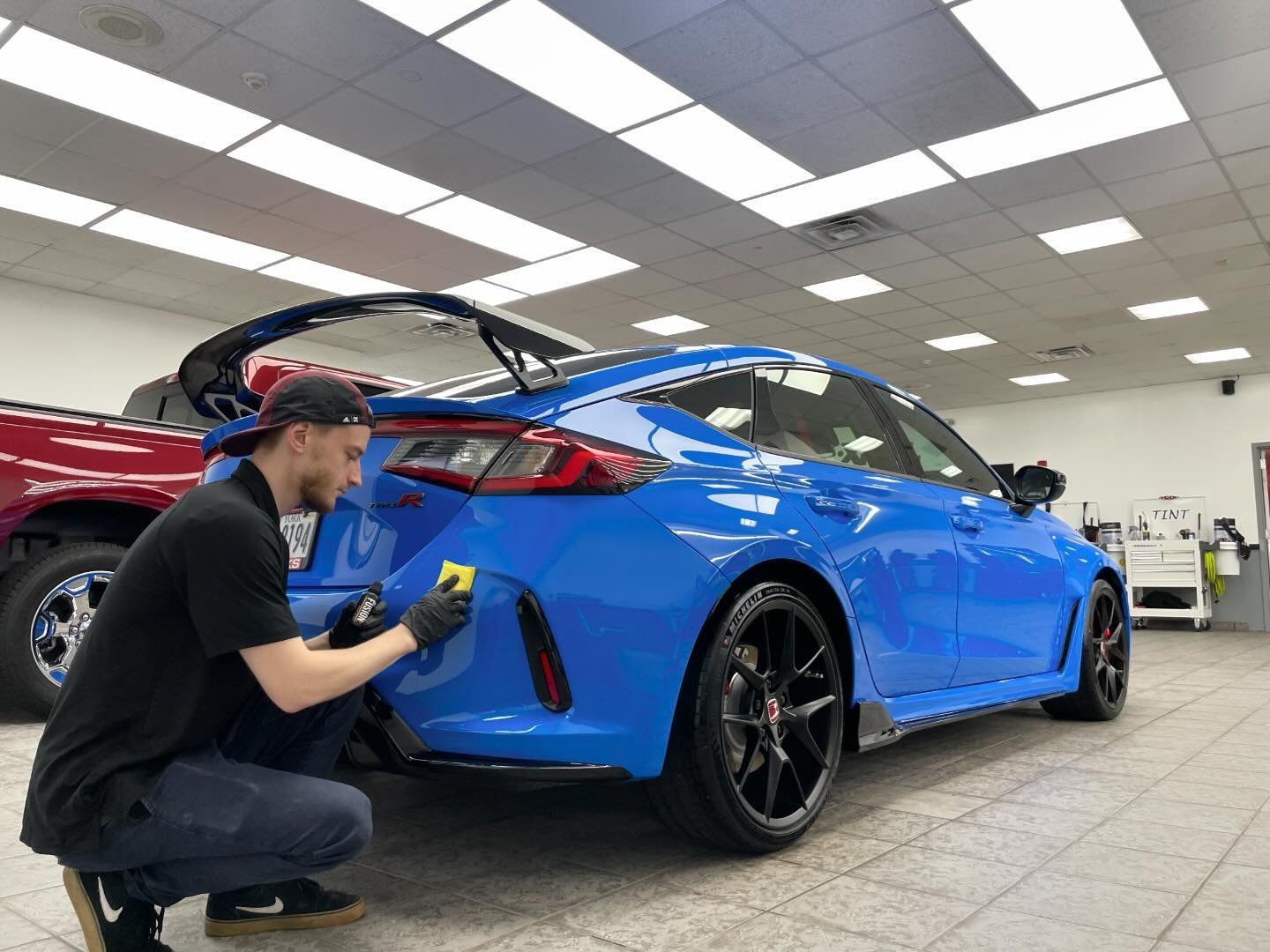
You pick up your car, walk around it, and everything looks perfect. The film is clear, the paint is shining, and nothing seems wrong. Then you see it the next morning in your driveway, under a completely different light, and notice something you missed at the shop.
That’s the part most PPF buyers never consider. Some installation problems are genuinely hard to spot under a shop’s controlled lighting. A tiny detail along an edge or seam can be the first sign that something was missed during the install.
Where Do Installation Problems Actually Hide?
The first sign is usually something small. A lifted corner, a line that doesn’t sit quite right, or a tiny piece of contamination trapped beneath the film. On a large hood or door, details like that can disappear into the bigger picture, but they stand out fast around headlights, mirrors, handles, and tight bodywork.
On a $100,000 vehicle, those details matter. The film should disappear into the design of the car, not create a distraction right where you naturally look. A Porsche, G-Wagon, or Escalade can look immaculate overall and still have one spot that catches your eye every time you walk past it.
A quick walkaround at pickup won’t always catch it. PPF installation can look flawless from a few feet away while a small imperfection sits waiting to be noticed once you’re looking at the car under your own lighting, at home.
Why Are Some Areas So Much Harder to Get Right?
A large, flat hood or door gives an installer room to work. Fewer curves to follow, fewer tight corners to manage, fewer places where a small mistake has anywhere to hide.
Then the bodywork gets complicated. Bumpers, mirrors, deep curves, and sharply shaped panels leave a lot less room for the film to sit cleanly, which is exactly where small differences in skill become easy to see.
That’s why two cars can carry the same amount of PPF and still look completely different once you look closely. The hardest parts of the vehicle usually tell you more about the installation than the easy ones ever will.

Is It Still Settling, or Is It a Real Problem?
Not every mark on fresh PPF means something went wrong. A new install can look slightly different while it settles, and some of that works itself out on its own over the following days.
The real concern is something that stays exactly the same. A piece of dust under the film, a corner that’s starting to lift, or a line that looks uneven isn’t something to brush off just because the car was recently finished.
If the same issue is still there once the film has had time to settle, it’s worth a closer look. Catching it early is much easier to address than dealing with it after you’ve already lived with it for weeks.
Does Your Paint Need Attention Before the Film Goes On?
PPF is only as clean as the paint underneath it. If a new vehicle already has scratches, swirls, or marks from transport and dealership prep, putting film over them won’t make them disappear.
That doesn’t automatically mean the whole car needs correction first. A few marks might not bother you once the film is on, while others might be worth addressing before you cover the paint for good.
The decision has to happen before the film goes on. Once it’s installed, whatever you choose to leave behind is still there, just visible through the film instead of under it.
What Happens If You Notice an Issue Later?
Before choosing a shop, find out what happens if something looks off after pickup. The answer tells you a lot about how a shop handles its own work when something actually needs attention.
Look for clear answers to a few simple questions:
- Who do you contact? You should know exactly who handles concerns after the vehicle leaves.
- How is the issue reviewed? A good process means seeing the vehicle, not trying to figure everything out over a text message.
- What happens next? You should understand how the shop actually handles a genuine installation issue once it's identified.
The best time to have that conversation is before the car ever goes into the bay, not after you’ve already spotted something you’re not comfortable with.

Front-End or Full-Body PPF?
Front-end PPF makes sense when your main concern is road debris. The bumper, hood, mirrors, and front fenders take the direct exposure, while the rest of the panels stay unprotected.
Paint color matters more than most buyers expect. On black and other dark finishes, small scratches and surface imperfections tend to stand out more, so leaving large sections of paint uncovered can get more noticeable over time, not less.
For a new black Escalade, Corvette, or F-250, that difference can change the decision. Front-end coverage protects the panels taking the most direct exposure. Full-body coverage keeps the rest of a dark finish looking as clean as the front.
Ready to Protect Your Vehicle?
Choosing PPF is about more than deciding how much film to install. Your vehicle, its finish, and how you actually use it all factor into what coverage makes sense.
If you’re in Orlando and considering PPF, contact Orlando Car Care today. We’ll help you look at your options and choose the coverage that actually fits your vehicle.
